
Photographic Salve for the Soul
A Visit to Minneapolis’ St. Anthony Falls Historic Mill District
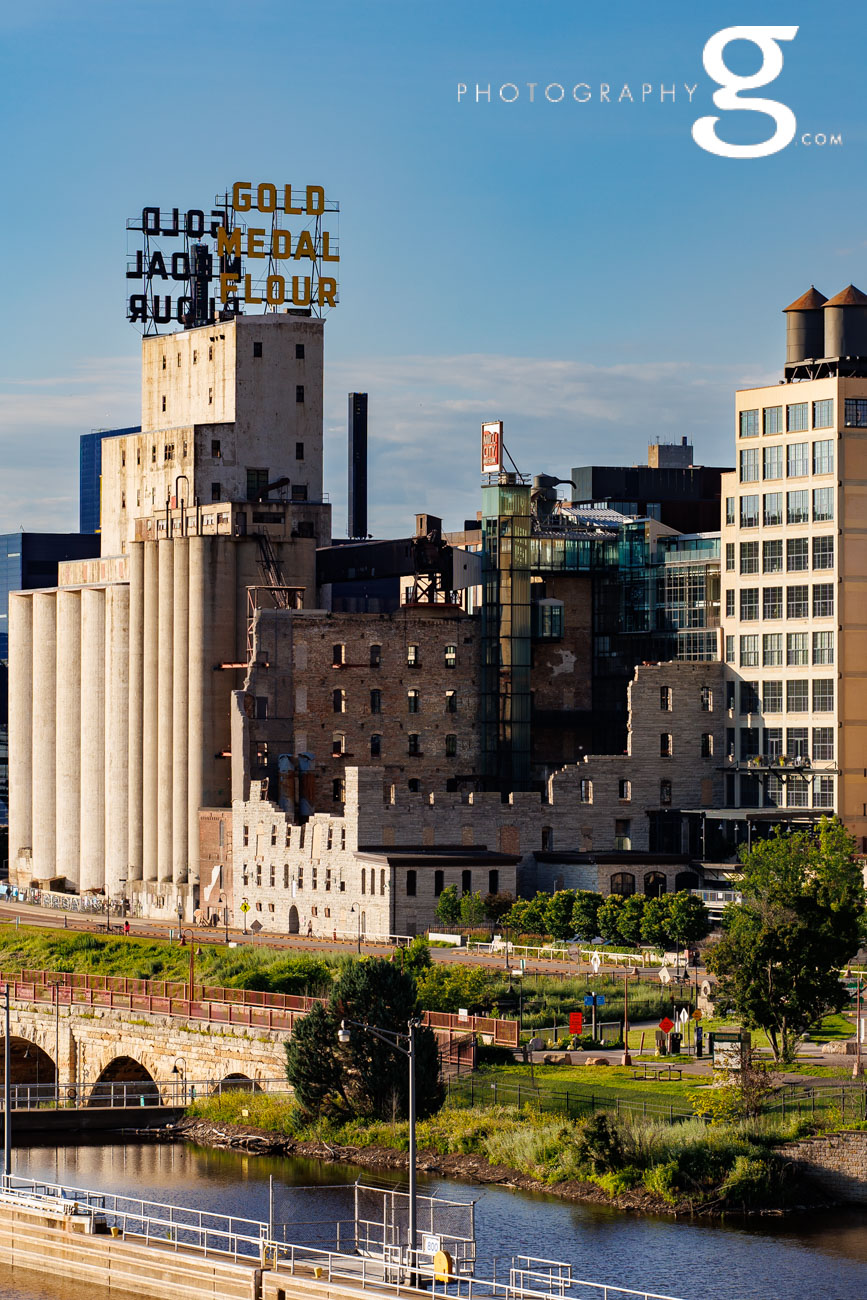
Along the Mississippi River in Minneapolis lies the St. Anthony Falls Historic Mill District—a place where American industry once thrived and now meets modern revival. Powered by the only natural waterfall on the Mississippi, this area became the flour milling capital of the world in the late 1800s, with companies like Pillsbury and Washburn-Crosby leading the charge.
But with industry came danger. On May 2, 1878, flour dust ignited in the Washburn “A” Mill, causing an explosion that killed 18 workers and destroyed much of the facility. This tragedy spurred major changes in mill design and safety. Today, the ruins of the Washburn mill are preserved in the Mill City Museum, where scorched stone walls tell stories of both ambition and loss.
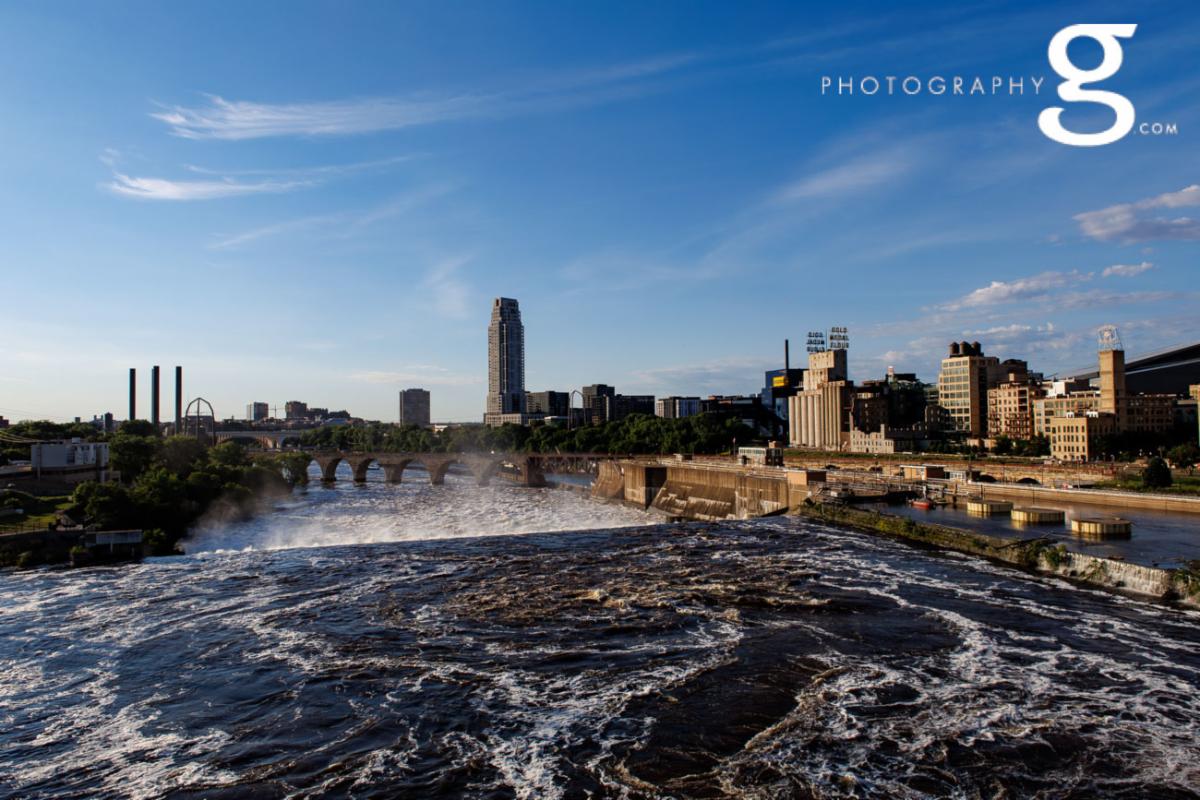
One of the most striking features of the district is the Stone Arch Bridge. Built in 1883 by railroad tycoon James J. Hill, it was once a key rail link into Minneapolis. Now, it serves as a pedestrian and cycling path, offering stunning views of the falls, the river, and the historic ruins.
Just downstream, the skeletal remains of an old Milwaukee Road rail bridge evoke the district’s gritty transportation past. It’s a quiet reminder of the grain cars and steam engines that once rumbled through.
Today, the Mill District pulses with life again—through riverfront trails, outdoor concerts, and new housing developments. It’s a place where you can walk among ruins, watch the water cascade over the falls, and feel the weight of a city’s industrial rise and reinvention.
Learn more about Photography G or contact us!